
Are Veneers in Turkey Safe? A UK Patient's Verification Checklist
A UK patient's checklist for verifying veneer safety in Turkey: dentist registration, lab material, written plans and aftercare matter most.
What you need to know
A UK patient's checklist for verifying veneer safety in Turkey: dentist registration, lab material, written plans and aftercare matter most.
A UK patient's checklist for verifying veneer safety in Turkey: dentist registration, lab material, written plans and aftercare matter most.
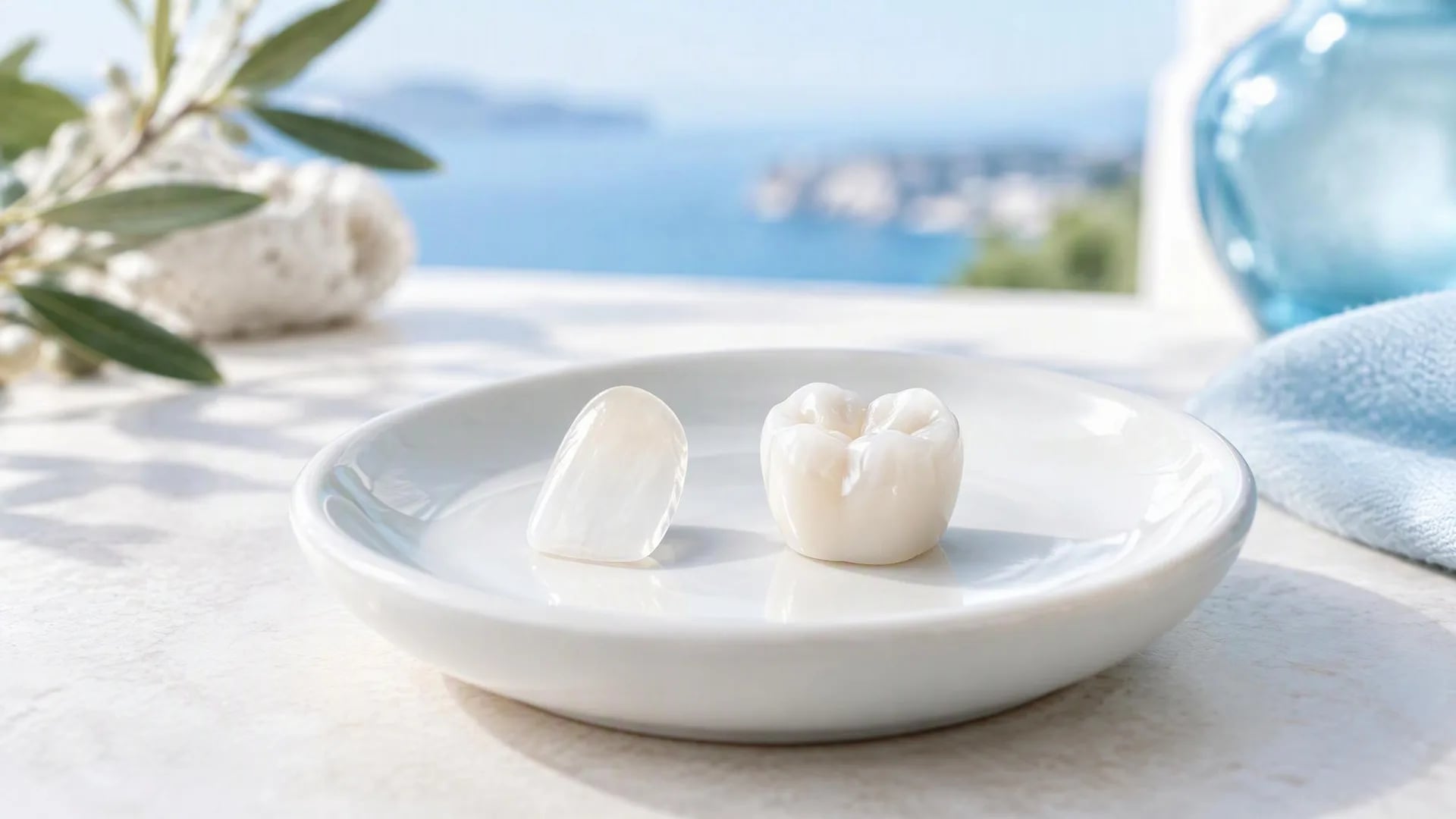
Veneers in Turkey can be as safe as veneers placed in the UK, Ireland, the US or anywhere else — but safety does not come from the country. It comes from a registered dentist, a named and traceable dental laboratory, a written tooth-by-tooth plan you agree to before any enamel is touched, and a clear aftercare pathway if something feels wrong once you are home. This guide sets out exactly what to verify before you book, drawn from UK and US dental-regulator guidance rather than marketing claims.
Why "is it safe" is the wrong first question
Veneers are not risky because of geography; they are risky because the procedure is, in almost every case, irreversible. The American Dental Association's MouthHealthy guidance on veneers is direct about this: once healthy tooth enamel has been reduced to make room for a veneer, that structure does not grow back, and the tooth will need some form of veneer or crown for the rest of its life. That single fact matters more than which country performs the work.
This is also why the General Dental Council's guidance on going abroad for dental treatment urges UK patients to speak to their own dentist before committing to anything irreversible, including veneers, crowns or implants. A second opinion costs nothing in terms of risk and can flag whether a less invasive option — whitening, composite bonding or minor orthodontics — would meet the same goal with less tooth structure removed.
So the real question is not "is Turkey safe for veneers", but "can this specific clinic, this specific dentist and this specific laboratory show me what I need to see before I agree to irreversible work". The checklist below is built around exactly that.
The verification checklist before you fly
Ask for each of the following in writing, before you travel, and be cautious of any coordinator who treats these as unnecessary questions:
- The treating dentist's name and registration. You should be able to confirm, independently, that the person doing the preparation and fitting is a licensed dentist — not a technician. US regulators have specifically warned the public to avoid unlicensed "veneer techs", noting that irreversible procedures performed outside a dentist's supervision can cause lasting tooth and nerve damage.
- A tooth-by-tooth written plan. Not a single quoted number of veneers, but a chart showing which teeth are being prepared, why, and what material is proposed for each one.
- The laboratory and material brand. Ask whether the ceramic is a named, traceable system (for example a recognised porcelain or zirconia-ceramic brand) rather than an unnamed material. Clinic staff who cannot or will not name the lab their crowns and veneers are made in is a reasonable reason to ask more questions.
- Whether you will see a mock-up or provisional veneers first. A digital design preview or temporary set before the final ceramic is fitted gives you a chance to request shape or shade changes while the decision is still reversible.
- What "no-prep" actually means for your teeth. Ultra-thin, minimal-preparation veneers are a real option for some patients, but the amount of enamel removed depends on your starting tooth position and the shape you want — it is case-specific, not a blanket promise.
- The aftercare and complaints pathway. Who do you contact if a veneer chips, debonds or feels wrong on your bite three weeks after you are home, and what, specifically, is covered without further charge.
At Health Talia's free treatment-plan review, this is the information we ask every partner clinic in Antalya to provide in writing — the treating dentist's details, the proposed tooth chart and the laboratory used — before a patient travels, alongside a full breakdown of how the veneer process works.
What UK dentists actually see go wrong
This is the part marketing pages tend to skip. A British Dental Association survey of UK dentists found that the large majority had treated patients who developed problems following dental work done abroad, with crowns the single most common treatment needing follow-up correction, closely followed by implants. The same reporting linked some of those failures to substandard materials and poor fit rather than the treatment type itself — one dentist commenter noted that a poorly made or badly fitted crown or veneer can be rejected by the body over time, and that cheaper restorations are not always made from the ceramic needed to resist bacterial leakage at the margin.
The Royal College of Surgeons of Edinburgh's dental tourism update raises a related, structural point: regulation is not consistent across every dental tourism destination, so the burden of verification sits more heavily on the patient than it would for treatment booked through the NHS or a UK private practice with CQC oversight. That is not a reason to avoid treatment abroad — it is a reason to ask for the same evidence a careful UK patient would ask a UK dentist for, and to be wary of any clinic that finds the questions irritating.
A separate pattern worth knowing about: some UK patient accounts describe arriving for consented veneers and being told, once in the chair, that crowns are "actually needed" instead — a materially different, more invasive procedure. A reputable clinic puts any such change in writing, explains the clinical reason, and gives you time to consider it rather than proceeding immediately. If you feel rushed at this point, you are entitled to pause the treatment and seek another opinion, even mid-trip.
Sensitivity, bite adjustment and what counts as a genuine complication
Some temporary sensitivity to hot, cold or pressure after veneer preparation is common and usually settles within a few weeks as the tooth adapts; this is different from pain that is worsening, a veneer that visibly does not sit flush, or a bite that feels uneven when you close your teeth together. Any of the latter should be reported to the treating clinic promptly, and a trustworthy provider will have a named contact for exactly this, not just a general enquiries address.
Because the enamel reduction behind a veneer is permanent, the honest trade-off patients should weigh is this: you are not just choosing a clinic for one appointment, you are choosing who manages that tooth's restoration for years afterward, including repair or eventual replacement. TravelHealthPro's medical tourism factsheet recommends discussing exactly this kind of long-term aftercare arrangement, and what travel insurance will and will not cover for a return trip if a problem develops, before you book rather than after.
It is also worth checking GOV.UK's travel advice for Turkey for current, general health-sector guidance for the country, separate from any individual clinic's own claims about its standards.
How long veneers in Turkey realistically take
A straightforward porcelain veneer case is typically planned across two visits a few days apart within the same trip: the first for examination, photographs, a digital or provisional mock-up and tooth preparation; the second, after the laboratory has manufactured the final ceramic, for fitting, bite checks and any adjustment. More extensive smile makeovers involving multiple teeth, gum assessment or combined crown-and-veneer plans can need a longer stay — our guide to how long to budget for different dental treatments in Turkey breaks this down by procedure. If you are deciding between veneers and crowns for a specific tooth, our comparison of veneers versus crowns in Turkey explains which clinical findings tend to favour each option.
FAQ
Can I get a second opinion from my own dentist before I travel?
Yes, and UK and Irish dental regulators both encourage it. Your home dentist knows your dental history and can flag whether a less invasive option could meet your goal, or whether existing decay, gum disease or a heavy bite changes what should be planned before veneers are fitted.
Are "no-prep" veneers really prep-free?
Not always. Minimal-preparation veneers exist and can suit some patients well, but how little enamel is removed depends on your current tooth position, size and the shape you are asking for. Ask the dentist to show you, tooth by tooth, what "minimal" means for your case specifically.
What should a written veneer treatment plan include?
The treating dentist's name and registration, a tooth-by-tooth chart with the material proposed for each tooth, the laboratory used, and what happens if a tooth needs a different approach once examined in person. If any of this is missing, ask for it before agreeing to anything irreversible.
Who fixes a problem once I'm back home?
Ask this before you travel, not after. A genuine clinic will name a contact for post-treatment issues and explain what is covered without extra charge. Separately, confirm with your travel insurer what a return trip for a dental complication would and would not cover.
Is a lower-cost veneer automatically lower quality?
Not automatically, but price alone tells you nothing about the dentist's registration, the laboratory's material, or the written plan behind it. Judge the clinic on the verifiable specifics in this checklist, not on the figure you are quoted.
A free, written review before you decide
Health Talia coordinates dental treatment in Antalya and works with partner clinics that provide a named, registered treating dentist and a traceable laboratory for every ceramic restoration. Before you commit to anything, you can send your photographs or existing x-rays for a free consultation and a written treatment plan review — message us on WhatsApp at +90 536 500 0744 or start your free treatment-plan request to get tooth-by-tooth clarity before you book flights.
Sources
- General Dental Council — Going abroad for dental treatment
- American Dental Association, MouthHealthy — Veneers
- ADA News — ADA advises public to avoid veneer techs
- British Dental Association — Dental tourism: patients need to know the risks
- Royal College of Surgeons of Edinburgh — Dental Dean Update: The Truth About Tooth Tourism
- TravelHealthPro — Travelling for treatment: medical tourism
- GOV.UK — Foreign travel advice: Turkey (health)
Planning veneers or a Hollywood Smile?
Share a few smile photos and a recent x-ray. A dentist reviews them and explains realistic options for your smile, free.
Reply within 24 hours on WhatsApp
Related articles
9 min readIllustrative
Is Antalya Safe for Dental Treatment? What Official Advice Actually Says
Is Antalya safe for dental treatment? What UK, Irish, Australian and Canadian official advice says, and how to judge safety by clinic, not city.

8 min readIllustrative
How to Choose a Dental Implant Agency in Antalya: What to Verify Before You Book
A verification checklist for choosing a dental implant agency in Antalya: what the agency should prove before you book treatment.