Ir para o conteúdo
Health Talia
Todos os artigos
Dental ImplantsAntalyaPatient Guide

Dental Implants in Turkey: A Clear 2026 Patient Guide

An evidence-aware guide to implant suitability, treatment stages, risks, aftercare and choosing a provider in Antalya.

Publicado 15 de janeiro de 2026Atualizado 31 de julho de 202610 min de leitura
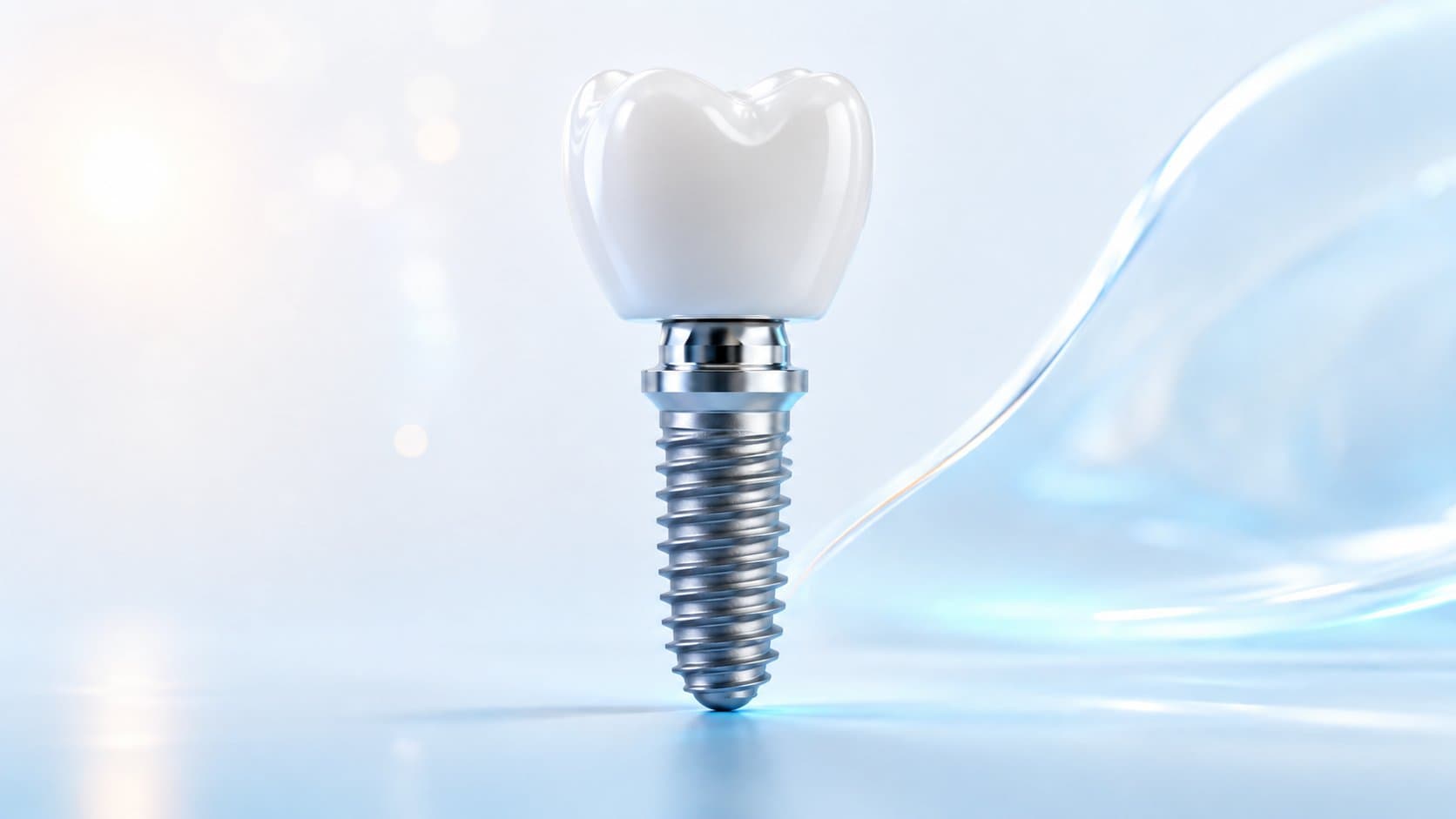
Illustrative dental implant, abutment and ceramic crown
Imagem ilustrativa — não é um paciente real nem um resultado garantido.
Resposta rápida

O que precisa de saber

A dental implant is an artificial tooth root placed in the jawbone to support a crown, bridge or denture. Treatment commonly includes assessment, implant placement, healing and fitting the final restoration. Not everyone is immediately suitable: gum health, available bone, smoking, diabetes, oral hygiene and the proposed restoration all need individual assessment.

Pontos principais

  • Ask for a diagnosis-led written plan that identifies the implant, abutment and final restoration separately.
  • A panoramic x-ray can start a remote review, but the final plan may change after an in-person examination and further imaging.
  • Smoking, a history of gum disease, uncontrolled diabetes and poor plaque control can increase implant-related risk.
  • Clarify healing time, temporary teeth, return visits, written guarantees and who coordinates aftercare at home.
  • Health Talia does not publish fixed list prices; an exact quote follows the clinical review.

Dental implants can replace one missing tooth, several teeth or support a full-arch restoration. Travelling to Antalya can make treatment more accessible, but the right decision starts with diagnosis, provider checks and a realistic aftercare plan—not a flight or a headline price.

What is a dental implant and what does it replace?

The implant replaces the root portion of a missing tooth; a separate restoration replaces the visible tooth or teeth.

An implant is usually a titanium or titanium-alloy component placed in the jaw. It can support a single crown, a bridge that replaces several teeth or a removable or fixed full-arch restoration.

The implant itself is not the visible tooth. When comparing plans, confirm whether the proposal includes the implant fixture, abutment, temporary restoration and final crown or bridge. A short headline description can hide important differences in what is actually included.

Who may be suitable for implant treatment?

Suitability depends on the whole mouth and general health, not only the gap where a tooth is missing.

A clinician assesses active decay or infection, gum stability, bone volume, bite forces, nearby anatomical structures and whether you can maintain the restoration. Some patients need gum treatment, extractions or bone augmentation before an implant can be considered.

A history of periodontitis, smoking, uncontrolled diabetes and poor plaque control are among the factors associated with peri-implant disease. These factors do not automatically exclude every patient, but they should change the risk discussion and maintenance plan.

  • Share your medical history, medication, smoking or vaping status and previous dental records.
  • Ask whether three-dimensional imaging is needed before surgery.
  • Confirm which alternatives—bridge, denture or no replacement—were considered and why.
  • Do not accept a definitive remote promise before the treating clinician has examined you.

What are the usual treatment stages?

Implant care is a staged process; the exact number and timing of visits depend on healing, bone and the type of restoration.

Some people travel twice: one visit for implant placement and another after healing for the final restoration. Others need preliminary treatment or extra review appointments. Immediate temporary teeth may be possible in selected cases, but “immediate” does not mean the implant has completed biological healing.

Typical implant journey and the question to ask at each stage
StageWhat may happenQuestion to ask
AssessmentClinical exam, records and imagingWhat diagnosis makes an implant appropriate for me?
PreparationGum care, extraction or grafting if indicatedDoes this change my travel schedule or healing time?
PlacementImplant placed under local anaesthetic or the agreed sedation planWhat temporary tooth will I have?
HealingBone and soft tissues recover around the implantWho do I contact if symptoms change at home?
RestorationFinal crown, bridge or denture is fitted and checkedHow do I clean it and when is maintenance due?

What risks and aftercare should be discussed?

Important risks include failure to integrate, infection or inflammation, damage to nearby structures and mechanical complications in the restoration.

No implant treatment is risk-free. The implant may not integrate with the jawbone, components can loosen or wear, and the tissues around an implant can become inflamed. Bone grafting has its own recovery and risk profile. Your consent discussion should be specific to the planned site and your health.

Long-term maintenance is part of treatment, not an optional extra. Daily cleaning, professional reviews and prompt assessment of bleeding, swelling, persistent pain, mobility or a change in bite help protect both the implant and the restoration.

  • Get written instructions for normal symptoms and urgent warning signs.
  • Keep copies of scans, implant brand and component details, treatment notes and guarantees.
  • Agree who will provide routine maintenance and emergency care after you return home.
  • Tell your travel insurer about planned dental treatment and check exclusions in writing.

How do you assess a dental clinic in Turkey?

Verify the treating facility and clinician, then evaluate the diagnosis, consent process, documentation and aftercare—not only reviews or package extras.

Türkiye regulates providers that serve international health tourists. Use the Ministry of Health resources to check authorised providers and ask which licensed facility will deliver the clinical care. Health Talia facilitates the patient journey; the treating clinic and clinician should be clearly named before treatment.

A strong plan explains alternatives, material choices, expected stages, possible complications and what happens if the clinical findings differ from the remote review. Pressure to book quickly, missing risk information or vague aftercare are warning signs.

  • Name and registration details of the treating dentist or specialist.
  • Exact clinic location and international health-tourism authorisation status.
  • Written diagnosis, alternatives, itemised inclusions and consent information.
  • Implant system, restoration material and traceability records.
  • Named aftercare contact and a written process for concerns after travel.

How are savings and the final quote handled?

Health Talia communicates savings of up to 30% compared with UK and EU private care, but the exact quote is individual and follows clinical review.

The total treatment journey may include the clinical work, hotel and planned transfers. Compare like with like: materials, temporary work, grafting, return visits, maintenance and possible changes after examination can affect the final scope.

Send a recent panoramic x-ray and clear photos for an initial review. The written plan should state what is included, what is provisional and when the quote becomes final. Never make a health decision on percentage savings alone.

Perguntas frequentes

Respostas curtas às perguntas mais comuns dos pacientes internacionais.

How many trips to Turkey are needed for dental implants?

Many implant plans involve a placement visit and a later restoration visit after healing. Grafting, extractions, the number of implants and the restoration design can change the schedule, so rely on the written personal plan rather than a generic timeline.

Can I receive temporary teeth on the first trip?

Temporary teeth may be possible in selected cases when primary stability, bite and the overall clinical situation allow it. The treating dentist must decide after examination; a temporary restoration is not the same as completed healing.

Are dental implants suitable for smokers?

Smoking is associated with higher implant-related risk and should be discussed honestly. It is not an automatic yes or no for every person; the clinician should assess your risk and explain any cessation and maintenance requirements.

How long do dental implants last?

Implants can be long-lasting with healthy tissues and consistent maintenance, but no responsible provider can promise a lifetime. The crown, bridge, screws or other components may need maintenance or replacement over time.

How do I get an exact implant quote?

Send a recent panoramic x-ray and photos for an initial review. The final scope and exact quote should be confirmed after the clinician reviews your records and completes the required examination.

Fontes e leitura adicional

Orientações e estudos verificados para este artigo. Última revisão das fontes: 31 de julho de 2026.

  1. 1.Dental implants: overview, stages, risks and alternativesGuy's and St Thomas' NHS Foundation Trust
  2. 2.Dental implants in restorative dentistryCambridge University Hospitals NHS Foundation Trust
  3. 3.AO/AAP consensus on prevention and management of peri-implant diseasesJournal of Periodontology via PubMed
  4. 4.Peri-implant disease preventionEuropean Federation of Periodontology
  5. 5.Treatment abroad checklistNHS
  6. 6.Turkey travel advice: health and medical tourismGOV.UK
  7. 7.Healthcare providers authorised for international health tourismRepublic of Türkiye Ministry of Health

Receba o seu plano de tratamento gratuito

Envie uma foto ou raio-x pelo WhatsApp e receba um orçamento fixo em 24 horas.