Hollywood Smile in Antalya: What the Treatment Really Means
Hollywood Smile is a marketing term, not one procedure. Learn what may be included and how to protect healthy tooth structure.

Cosa sapere
A Hollywood Smile is a personalised smile makeover that may combine whitening, bonding, orthodontics, veneers or crowns. Veneers cover mainly the front surface of a tooth, while crowns cover the whole prepared tooth. Healthy teeth should not automatically be crowned for a cosmetic package; each restoration needs a clinical reason.
Punti chiave
- Ask for the proposed treatment on every tooth, not only a package name.
- Veneers and crowns are not interchangeable: they differ in coverage, preparation and clinical purpose.
- Request a preview or trial smile and agree shape, shade, texture and smile line before final manufacture.
- Discuss bite, gum health, tooth vitality, sensitivity, repair and future replacement.
- AI or stock smile images are illustrative and must never be presented as guaranteed patient results.
“Hollywood Smile” describes a cosmetic result, not a single clinical procedure. One person may need whitening and additive bonding; another may be offered veneers, crowns or a combination. The safest starting point is a tooth-by-tooth diagnosis and the least invasive option that can meet the agreed goal.
What can a Hollywood Smile include?
The plan can range from non-restorative care to veneers or crowns; the name alone does not tell you what will happen to your teeth.
Whitening changes shade without changing tooth shape. Composite bonding can add material to selected areas. Orthodontic treatment moves teeth. Veneers cover mainly the visible front surface, while crowns cover the prepared tooth more completely.
A responsible consultation separates the aesthetic goal from the clinical method. Ask why each tooth needs the proposed treatment and whether a more conservative option can achieve a stable result.
| Option | Main role | Key question |
|---|---|---|
| Whitening | Changes the shade of suitable natural teeth | Will restorations match the new shade? |
| Composite bonding | Adds tooth-coloured material to selected areas | How will wear, staining and repairs be managed? |
| Orthodontics | Moves teeth and adjusts alignment | Could alignment reduce the need for restorations? |
| Porcelain veneer | Covers mainly the front surface | How much enamel preparation is planned? |
| Crown | Covers the prepared tooth | What clinical condition makes full coverage appropriate? |
Veneers or crowns: why does the distinction matter?
The distinction matters because crowns generally cover more tooth structure, while veneers are usually chosen for the visible surface of selected teeth.
A crown may be appropriate for a tooth that is extensively restored, structurally compromised or needs full coverage for another clinical reason. A veneer may suit an aesthetic change when there is enough suitable enamel and the bite allows it. Neither is automatically “better”.
Ask the dentist to mark the proposed restoration for every tooth on the written plan. If healthy teeth are being prepared, ask what alternatives were considered and what the long-term maintenance or replacement pathway looks like.
How should a natural-looking smile be planned?
Natural-looking planning considers the face, lips, gum display, tooth proportions, surface texture, translucency and bite—not shade alone.
A very bright shade can still look harmonious when it suits the person and is deliberately chosen, but “white” is not the only design decision. Tooth width, edge position, symmetry and the transition from front to side teeth affect whether a smile looks integrated with the face.
A digital preview, physical mock-up or temporary trial can help you discuss the direction before final restorations are made. Treat the preview as a communication tool, not a guarantee that every biological and technical detail will be identical.
- Bring photographs of your own earlier smile if available.
- Describe what you dislike and what you want to preserve.
- View the proposed smile in conversation and from different angles.
- Approve the final direction only after discussing bite and cleansability.
What happens during a smile-makeover trip?
The visit usually includes examination, confirmation of the plan, records or scans, preparation where indicated, temporary work, try-in and final checks.
Remote photos can help the team understand your goals, but they cannot replace examination, x-rays where indicated and a bite assessment. The plan may need to change if decay, gum disease, cracks, previous root-canal treatment or other findings are discovered.
Do not schedule the return flight so tightly that there is no time for review or adjustment. Ask how many clinical checkpoints are included and what would require an additional visit.
What should the consent and aftercare plan cover?
Consent should cover tooth preparation, sensitivity, gum response, fracture or debonding, colour limits, maintenance and possible future replacement.
Restorations need ongoing care. Ask how to clean around them, whether a night guard is recommended, how gum health will be monitored and what to do if a veneer or crown feels high, chips or comes loose.
Keep the final treatment chart, material details, scans and guarantee conditions. Before travelling, identify a local dentist who can provide routine examinations and discuss whether they are comfortable maintaining work completed abroad.
How do quotes and savings work?
The exact quote depends on the diagnosis and the treatment assigned to each tooth; a remote package count is provisional until clinical confirmation.
Health Talia communicates potential savings of up to 30% compared with UK and EU private care and can include hotel and planned transfers. Compare the actual clinical scope rather than only the number of units or the package headline.
The written proposal should separate veneers, crowns, whitening, gum treatment, temporary work and any other expected item. If the in-person findings change the plan, you should receive an explanation and updated consent before proceeding.
Domande frequenti
Risposte brevi alle domande più comuni dei pazienti internazionali.
Is a Hollywood Smile the same as veneers?
No. Hollywood Smile is a broad marketing term for a smile makeover. Veneers are one possible restoration; whitening, bonding, orthodontics and crowns may also be considered depending on the clinical findings.
Do all teeth need crowns for a Hollywood Smile?
No. Every tooth should have its own diagnosis. Healthy teeth should not automatically receive full-coverage crowns simply to fit a package.
Can I choose the shade and shape?
You should be involved in the design direction. A preview or trial helps discuss shade, shape and proportions, while the dentist also checks bite, gum health and what is clinically achievable.
How long should I stay in Antalya?
The required stay depends on the procedures and laboratory stages. Your written plan should include enough time for examination, try-in, final fitting and review before you fly home.
Are Hollywood Smile results permanent?
No restoration should be described as permanent. Veneers, crowns and bonding need maintenance and may eventually need repair or replacement.
Fonti e approfondimenti
Linee guida e studi verificati per questo articolo. Ultima revisione delle fonti: 31 luglio 2026.
Ricevi il tuo piano di cura gratuito
Invia una foto o una radiografia su WhatsApp e ricevi un preventivo fisso entro 24 ore.
Articoli correlati
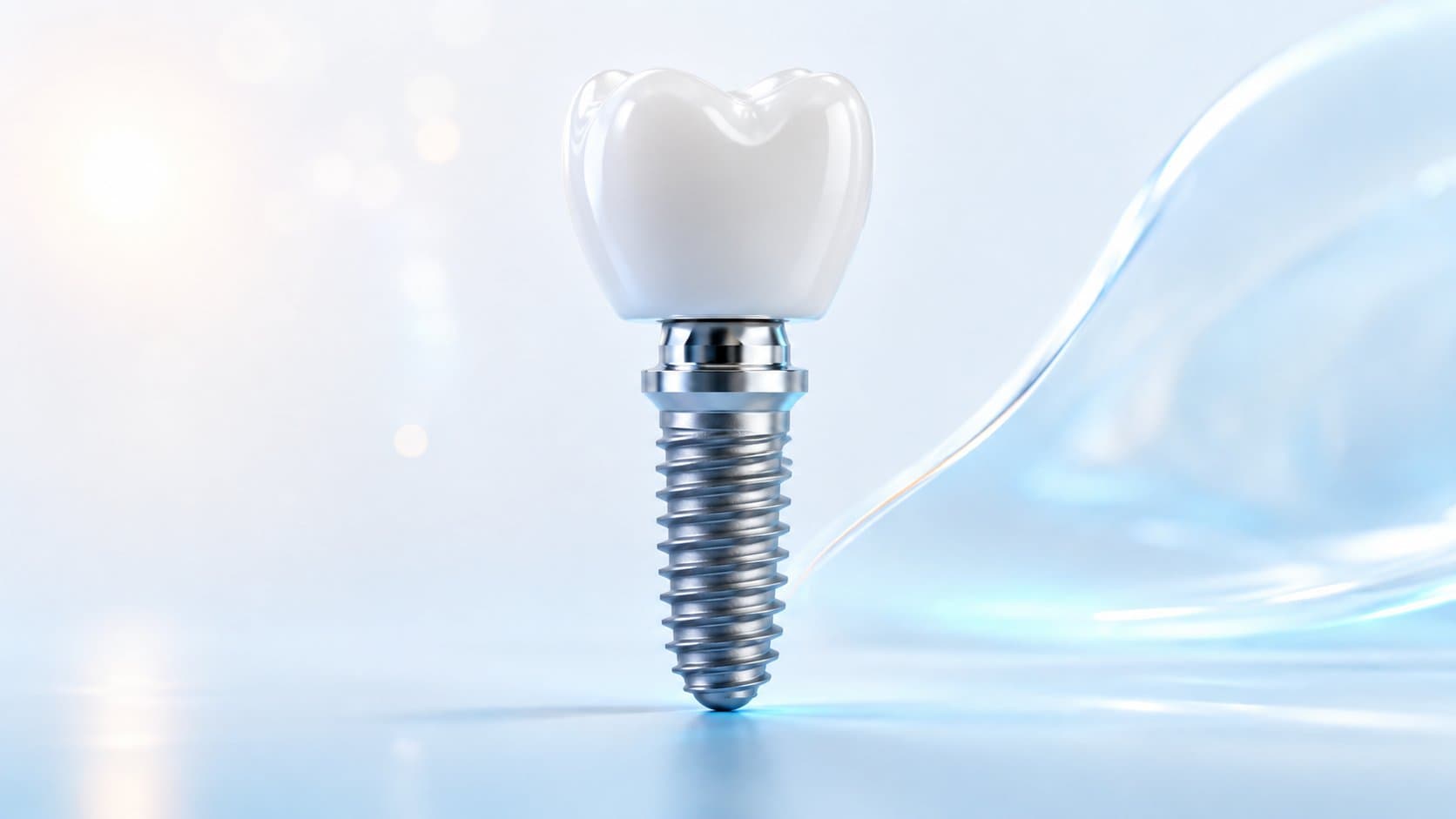
IllustrativaVeneers vs Crowns in Turkey: Which Option Protects More Tooth?
A tooth-by-tooth comparison of veneers and crowns, with the questions to ask before agreeing to a smile-makeover plan.
IllustrativaAll-on-4 vs All-on-6 in Turkey: How Dentists Choose
Why more implants are not automatically better—and the clinical factors that guide a full-arch treatment plan.