
Dental Tourism Packages: What to Check Before Booking
Learn what dental tourism packages include, how to check treatment plans and clinic standards, and what UK patients should ask before travelling.

What you need to know
Learn what dental tourism packages include, how to check treatment plans and clinic standards, and what UK patients should ask before travelling.
Learn what dental tourism packages include, how to check treatment plans and clinic standards, and what UK patients should ask before travelling.
Dental tourism packages can make overseas treatment easier to plan, but the package itself doesn’t prove that the care is right for you. Check the clinical plan, who’ll treat you, what’s included and how support works after you return to the UK.
Table of Contents
- What does a dental tourism package usually include?
- Which treatments and treatment stages can packages cover?
- How should UK patients assess the destination and travel arrangements?
- How can you compare package quotes and understand the full scope?
- What safety, credentials and clinical technology should you check?
- What follow-up and aftercare should a package explain?
- How does Health Talia coordinate dental treatment in Antalya?
- Frequently asked questions
- Conclusion
What does a dental tourism package usually include?
A dental tourism package usually combines planned treatment with some travel support, but each package sets its own scope. The key is to separate clinical care from trip logistics, then get both described in writing.
Clinical care may include a remote consultation and an initial treatment plan. Ask what information the dental team needs before making that plan. Recent dental X-rays, photographs and details of your medical history can help the dentist understand your case, but an online review can’t replace an examination when one is needed.
Travel arrangements may include hotel accommodation and transfers between the airport, hotel and clinic. Check how many nights are covered, whether transfers are private, and what happens if your appointment time changes. Flights, meals, insurance and extra nights may sit outside the package, so don’t assume they’re included.
Ask for an itemised description of the treatment scope, even when the overall quote is fixed. It should say what the proposed treatment covers, what may lead to a change, and who must approve any change before work begins. Find out whether temporary teeth or restorations are part of the plan when relevant.
Health Talia’s packages include a free online consultation, personalised treatment planning, hotel accommodation and private airport, hotel and clinic transfers. Patients can also get English and Chinese support via WhatsApp before, during and after treatment. You can review the Health Talia treatment and travel information while deciding what to ask.
Language support deserves its own check. Confirm who will explain the plan and consent forms, and how you can contact the team if a question comes up outside the clinic. If your preferred language isn’t available for clinical discussions, ask how an interpreter will be arranged.

A package is useful when it makes responsibilities clear. If the inclusions are vague, ask for a revised written outline before you book.
Which treatments and treatment stages can packages cover?
Dental tourism packages may cover implants, All-on-4 or All-on-6 treatment, crowns, veneers and smile makeovers. The treatment name alone doesn’t show how many visits you’ll need or whether every stage can happen on one trip.
A crown covers a damaged or weakened tooth. A veneer is a thin facing placed over the front of a tooth, usually for appearance. The dentist should explain why a particular option fits your tooth and bite, and whether a less invasive choice could meet your goal. “Hollywood Smile” is a marketing label, not one set procedure.
Implants replace missing tooth roots and can support a crown, bridge or full-arch set of teeth. All-on-4 and All-on-6 describe full-arch approaches that use implants to support replacement teeth. They aren’t automatic choices for every patient. Bone and gum health, medical history, bite and the condition of remaining teeth all affect the plan.
Ask the clinician to explain the stages in plain language. A plan may start with assessment and imaging. It may then involve surgery or tooth preparation, followed by temporary restorations and a later review. The final restoration may need to wait while tissues heal or an implant integrates with bone.
That timing can mean more than one visit. A short trip may suit some treatments, while implant care can require a later return for the final teeth. Get the expected time between stages in writing, including what could change it. Don’t book return travel on the assumption that every step will be finished in a few days.
For implant cases, ask who is responsible for each stage and what happens if healing takes longer than planned. A dentist should explain risks and alternatives before you consent. You can read more about dental implants in Antalya as you prepare questions for a consultation.
A diagnosis-first plan may also say that a requested treatment isn’t suitable. That can be disappointing, especially when you’ve travelled with a clear cosmetic goal. Still, a reasoned change in plan is safer than pressing ahead with work that the dentist can’t support clinically.
How should UK patients assess the destination and travel arrangements?
Choose a destination based on the whole treatment journey, not its holiday appeal alone. For UK patients considering Antalya, check travel time, appointment logistics, the clinic’s location and how easy it will be to attend a review if your plan changes.
Start with the treatment timeline. Ask how soon the first appointment is after arrival, how many clinic visits are planned, and whether the schedule leaves room for an extra check. If the plan involves surgery, ask the dentist whether you should allow time for observation before flying home.
Then look at the journey between the airport, hotel and clinic. Find out who arranges each transfer, whether it’s included, and what to do if a flight is delayed. Confirm the hotel dates and whether you can extend your stay if the dentist advises it. A smooth transfer plan can reduce travel stress, but it can’t replace time for treatment or recovery.
Entry rules depend on your nationality and the purpose of your visit. Check the current official UK travel advice for entry requirements in Turkey before booking, then recheck it close to departure. Don’t rely on an old social post or a package page for immigration rules.
Travel insurance needs a separate check too. Ask the insurer whether the policy covers complications linked to planned dental treatment abroad, emergency care and changes to your journey. Don’t assume ordinary holiday cover includes elective treatment. Keep the policy wording and the clinic’s emergency contact process accessible while travelling.
Language and local communication matter as much as transport. Confirm whether someone can explain clinical details in a language you understand, not only help with hotel arrangements. Ask how consent, medication instructions and follow-up messages will be handled.
Think through the return journey before you leave the UK. Keep space in your schedule for clinic appointments and possible delays. If your treatment needs a later visit, get the likely timing and travel responsibilities in writing before you commit.
How can you compare package quotes and understand the full scope?
Compare dental tourism packages by matching the clinical work and the travel inclusions, not by looking at the headline quote alone. Ask each provider to explain the same points in writing so you can see where the plans differ.
Begin with the diagnosis. Does the plan name the teeth involved and the treatment proposed for each one? Does it explain why that treatment is suitable? If the plan uses broad terms such as “smile makeover”, ask for the exact procedures and materials to be listed.
Next, check what the quote includes. It should make clear whether the consultation, imaging, temporary restorations, final restorations, accommodation and transfers are covered. If an item isn’t mentioned, treat it as unconfirmed rather than assuming it comes with the package.
Ask what could change the plan after an in-person examination. A dentist may find a condition that wasn’t visible in the records sent ahead. Ask who will discuss any change with you, whether you can pause treatment, and how an updated quote will be approved before extra work starts.
A fixed quote can help with planning, but it doesn’t mean every possible clinical change is included. Find out how the quote handles added treatment, extra nights or another visit. The provider should explain what depends on the scope of care, the condition of your teeth and the findings at the clinic.
Also check the payment terms and cancellation rules. Ask when payment is due, which parts are refundable if you cancel, and what happens if a dentist advises against the planned procedure. These details can affect your decision just as much as the treatment outline.
For a written quote, Health Talia’s process begins with a free online consultation and personalised treatment planning. Before accepting any proposal, ask for the treatment scope and travel inclusions to be set out clearly. A checklist for treatment abroad can help you keep questions about diagnosis, consent and aftercare together.
If two plans differ, ask the clinicians to explain the difference rather than choosing the one with fewer steps. You’re entitled to understand what each proposed stage aims to do and what may happen if you decline it.
What safety, credentials and clinical technology should you check?
Ask who will assess you, who will carry out each procedure and how you can verify their credentials. A polished website or a package label can’t answer those questions for you.
Request the treating dentist’s full name and role. Ask about relevant training for your planned procedure, and whether the dentist will personally perform the work or delegate parts of it. Confirm the clinic address where treatment will take place. If an organisation discusses authorisation or accreditation, ask what body issued it and how you can verify it independently.
Ask what imaging the dentist needs before deciding on treatment. Depending on the case, the clinician may request X-rays or 3D imaging to assess bone and tooth structure. Digital impressions may also be used to record the shape of teeth. Ask what each scan is intended to show and how the result affects the plan.
For implants, ask for the implant system and the records you’ll receive. For crowns or veneers, ask what material is planned and why it suits your case. Don’t accept a vague label such as “premium material” as a substitute for the product or material details in your records.
Find out how the clinic cleans and sterilises reusable instruments, and what single-use items are used. A clinic should be able to explain its infection-control process in clear terms. If staff avoid basic questions or rush you past them, pause before paying or signing.
Be alert to pressure and to plans that move straight from a social-media photo to irreversible treatment. Ask what alternatives exist, including doing less work or waiting. The consent process should cover risks, likely limits and what follow-up may involve.
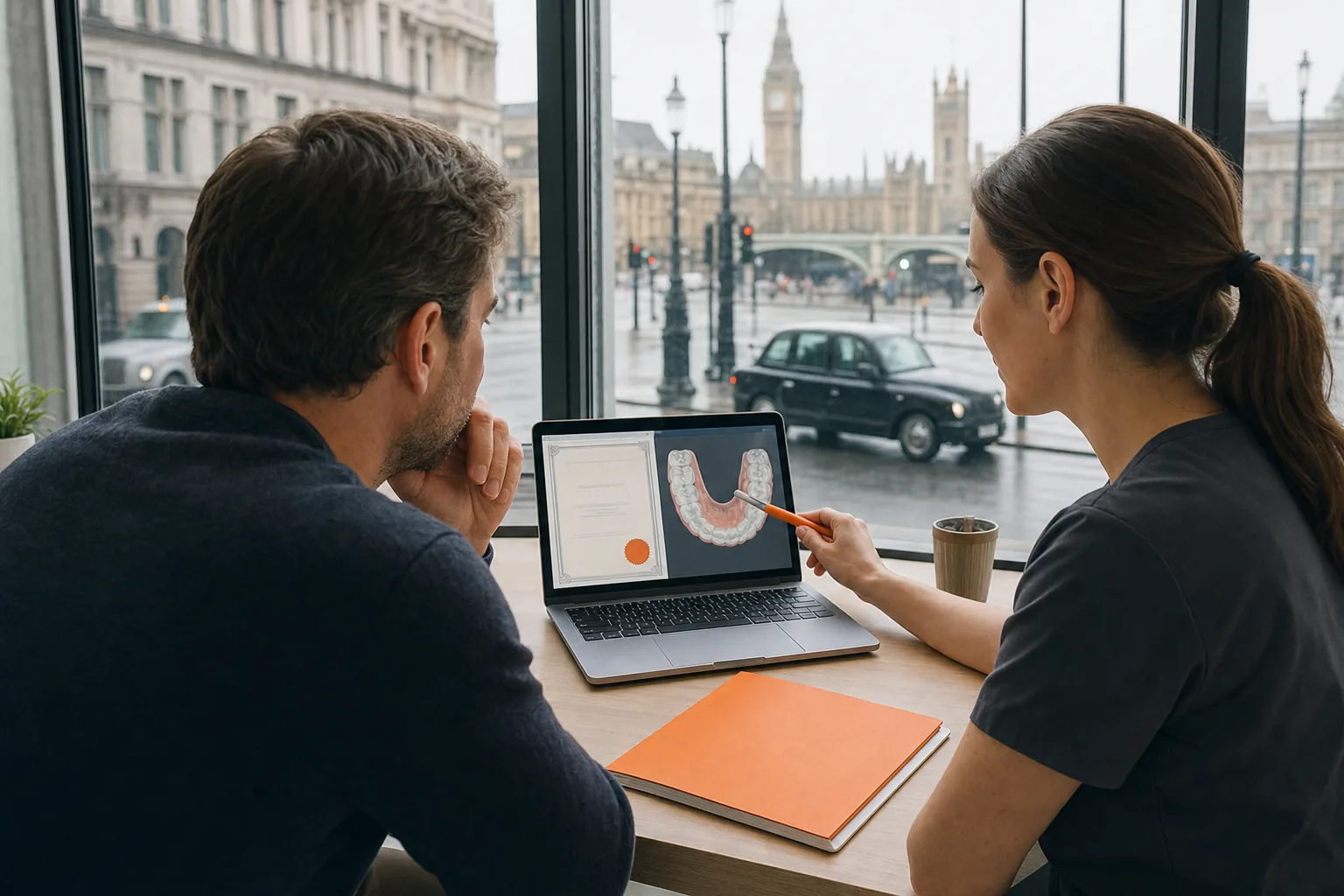
Verifiable answers matter more than a promise of a particular result. If you can’t identify the clinician or understand the proposed treatment, don’t proceed until those points are clear.
What follow-up and aftercare should a package explain?
Before you book, get a clear plan for support during healing and after you return to the UK. It should state who to contact, how quickly the clinic responds and what happens if you need an in-person review.
Ask what written instructions you’ll receive after treatment. These should explain how to care for the treated area and who to contact if you notice a problem. Make sure instructions are in a language you understand. Ask when the clinic plans to check in and whether the follow-up will be by message, video or an appointment.
Find out which concerns the clinic can assess remotely and which need a local examination. A message or video call may help the treating team understand what’s happening, but it can’t replace an examination when one is needed. If the clinic recommends urgent local care, ask how it will share relevant records with the dentist who sees you.
Before travelling, ask a UK dentist whether they’re willing to provide routine check-ups after treatment abroad. Don’t assume they’ll take responsibility for correcting another clinic’s work. Keep copies of your diagnosis, treatment plan, consent forms, images, material details and discharge instructions, so another clinician can understand what was done.
Also read the package terms for any warranty or return-visit policy. Ask what it covers, what it excludes and who pays for travel if you need to return. A written warranty is useful only when you understand its limits and the process for making a claim.
There’s a difference between routine maintenance and a treatment problem. Your regular dentist may be able to provide check-ups and hygiene care. If a crown loosens or you develop pain, contact the treating clinic promptly and seek local advice when needed. Don’t wait for a distant team to reply if you need urgent assessment.
Health Talia says its team supports patients in English and Chinese via WhatsApp before, during and after treatment. Ask how that support works for your specific plan, including what to do outside appointment times and what information the team needs if you raise a concern.
Aftercare is part of the treatment plan, not an optional extra. Make sure you know who will help once you’re home before you confirm travel.
How does Health Talia coordinate dental treatment in Antalya?
Health Talia coordinates dental treatment at partner clinics in Antalya for international patients, including people travelling from the UK. Its packages are designed to cover both the clinical planning stage and key parts of the trip, but you should still review your own treatment plan and package terms.
The first step is a free online consultation. Share the information requested by the team and ask what the dentist needs to assess your case. The plan should relate to your dental condition and your goals, rather than treating a package as a fixed set of procedures for every patient.
Health Talia’s stated package inclusions include personalised treatment planning, hotel accommodation and private transfers between the airport, hotel and clinic. Ask for the length of the stay and the transfer arrangements that apply to your proposal. Confirm separately what is not included, such as flights or any additional nights, if those details matter to your plans.
Health Talia offers support in English and Chinese via WhatsApp before, during and after treatment. That gives you a way to raise usable questions across the journey. For clinical decisions, make sure you understand who will answer and when a dentist will speak with you directly.
Before you accept a plan, check the proposed treatment stages, the clinician responsible and the follow-up arrangements. Ask for a written quote after the assessment process and clarify how the plan may change if an in-person examination finds something new. You can take time to consider it.
Ready to discuss your treatment questions with Health Talia? Request a free consultation via WhatsApp, with no obligation to book.
Frequently asked questions
What is usually included in a dental tourism package?
A dental tourism package may include treatment planning plus travel support, but inclusions vary. Some packages cover accommodation and transfers, while flights, meals or extra nights may be separate. Ask for a written list that names the clinical stages and travel arrangements. Confirm what happens if the dentist changes the plan after examining you in person.
How long should I stay for dental treatment in Turkey?
Your stay depends on the treatment and the stages involved. Some care may fit into one trip, while implant treatment can need healing time before final teeth are placed. Ask the dentist for a schedule that includes planned reviews and time for changes. Don’t book flights on a general package duration alone.
How can I check whether a dental clinic abroad is safe?
Ask for the treating dentist’s name and role, then verify their credentials with the relevant authority. Request a written diagnosis and treatment plan that explains alternatives and risks. Ask about sterilisation, materials and records you’ll receive. Dental tourism packages don’t replace these checks, and a clinic should give you time to make an informed choice.
Does UK travel insurance cover dental treatment abroad?
Don’t assume standard travel insurance covers planned dental treatment or complications from it. Check the policy wording with your insurer before booking and ask about emergency dental care, treatment-related complications and trip changes. Keep the answer in writing. A travel policy and the clinic’s own aftercare terms cover different things, so review both.
What aftercare should I expect after dental work in Antalya?
Ask for written aftercare instructions, a follow-up plan and a clear way to contact the treating clinic. Confirm what can be assessed remotely and when you should see a dentist in the UK. Keep your clinical records and material details. Dental tourism packages should explain who handles concerns after you return, including any need for another visit.
Conclusion
Choose a package only when the treatment plan, travel inclusions and aftercare are clear in writing. If you’re considering care in Antalya, send Health Talia your questions through its free consultation process and review the personalised plan before deciding whether to travel.
Planning dental treatment in Turkey?
Send your x-ray or photos and receive a written treatment plan from a dentist at a licensed partner clinic, free and with no obligation.
Reply within 24 hours on WhatsApp
Related articles

dental implants11 min readIllustrative
All-on-6 Dental Implants: Who Is It For?
All-on-6 fixes a full-arch bridge on six implants. Learn who it suits, how it differs from All-on-4, the treatment timeline, risks and aftercare.
crowns10 min readIllustrative
E.max Crowns vs Zirconia Crowns: Which Is Right for You?
E.max offers translucency; zirconia offers strength. Compare how the two crown materials differ, what research says, and which teeth each suits.