
Greffe osseuse ou sinus lift avant les implants ?
Pourquoi ils peuvent être proposés, leur impact sur le calendrier et les alternatives.
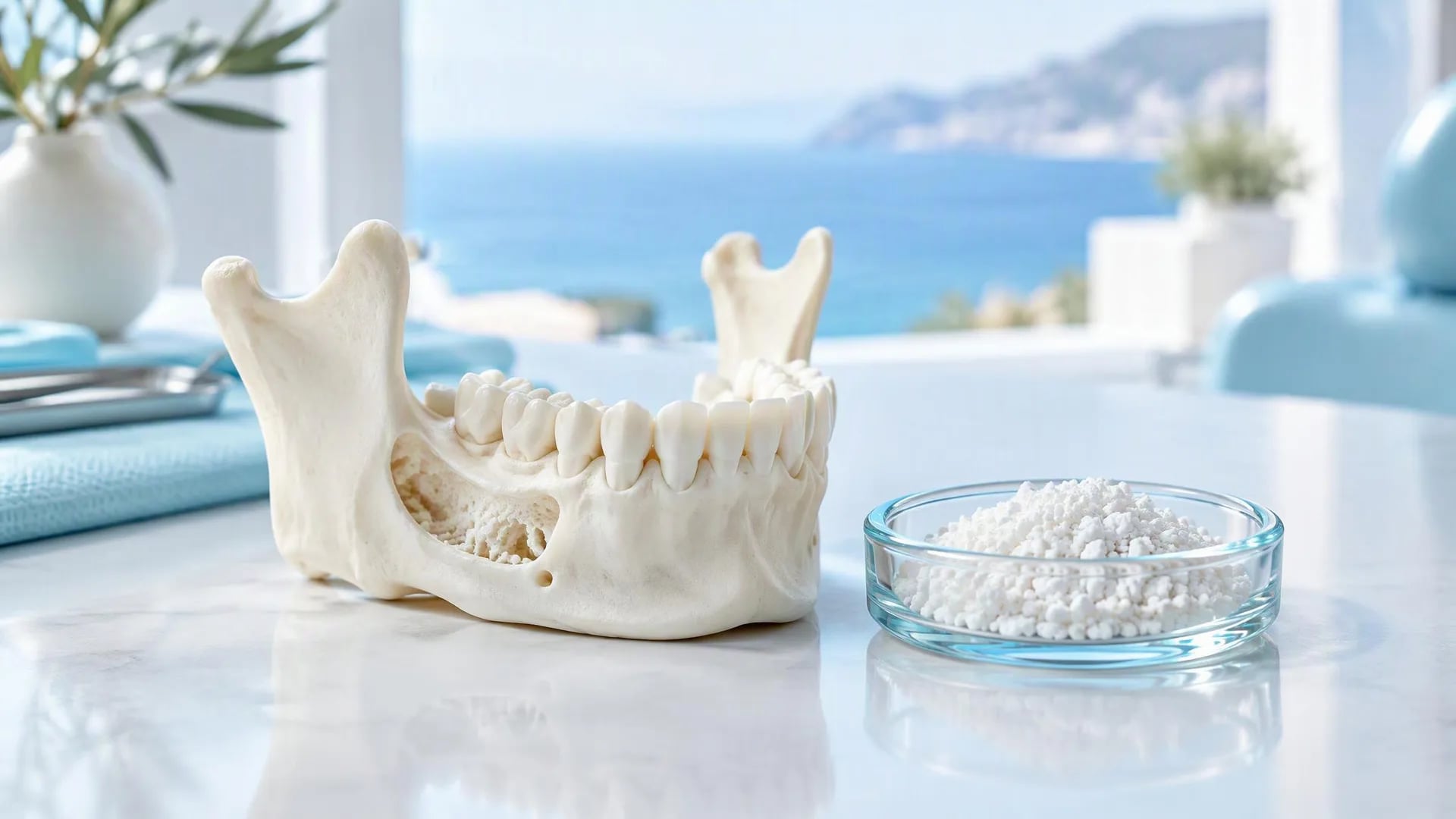
Ce qu’il faut savoir
Une greffe ajoute de l’os au site implantaire. Le sinus lift est une greffe spécifique dans le maxillaire supérieur postérieur. Ils peuvent précéder ou accompagner l’implant ; anatomie et stabilité dictent la séquence, et la cicatrisation peut ajouter des mois.
Points essentiels
- Faites montrer la limite osseuse sur l’imagerie.
- Clarifiez matériau, séquence, contrôle et risques.
- Discutez alternatives et conduite en cas d’échec.
Une greffe ajoute de l’os au site implantaire. Le sinus lift est une greffe spécifique dans le maxillaire supérieur postérieur. Ils peuvent précéder ou accompagner l’implant ; anatomie et stabilité dictent la séquence, et la cicatrisation peut ajouter des mois.
Que comprend le traitement ?
Une greffe ajoute de l’os au site implantaire. Le sinus lift est une greffe spécifique dans le maxillaire supérieur postérieur. Ils peuvent précéder ou accompagner l’implant ; anatomie et stabilité dictent la séquence, et la cicatrisation peut ajouter des mois.
La perte osseuse ou la position du sinus peut limiter l’implant planifié.
Que faut-il clarifier avant le voyage ?
Demandez qui réalise les soins, quels matériaux sont utilisés, quelles alternatives existent et qui intervient en cas de problème.
Alternatives : autre position, bridge, prothèse, moins de dents remplacées ou absence de remplacement.
Questions fréquentes
Des réponses courtes aux questions les plus posées par les patients internationaux.
Chaque implant nécessite-t-il une greffe ?
Non ; l’indication dépend du diagnostic et de la position prévue.
Peut-on poser l’implant en même temps ?
Parfois, si anatomie et stabilité le permettent.
Le sinus lift est-il la seule option ?
Non ; des alternatives existent selon le cas.
Sources et lectures complémentaires
Recommandations et recherches vérifiées pour cet article. Dernière vérification : 3 septembre 2026.
- 1.Bone grafting for dental implants — Guy's and St Thomas' NHS Foundation Trust
- 2.Sinus lift procedures: options, risks and alternatives — Cambridge University Hospitals NHS Foundation Trust
- 3.Dental implants in restorative dentistry — Cambridge University Hospitals NHS Foundation Trust
- 4.Treatment abroad checklist — NHS
Thinking about dental implants?
Send your x-ray and a dentist at a licensed clinic in Antalya reviews it and prepares a written implant plan, free and with no obligation.
Reply within 24 hours on WhatsApp
Articles liés
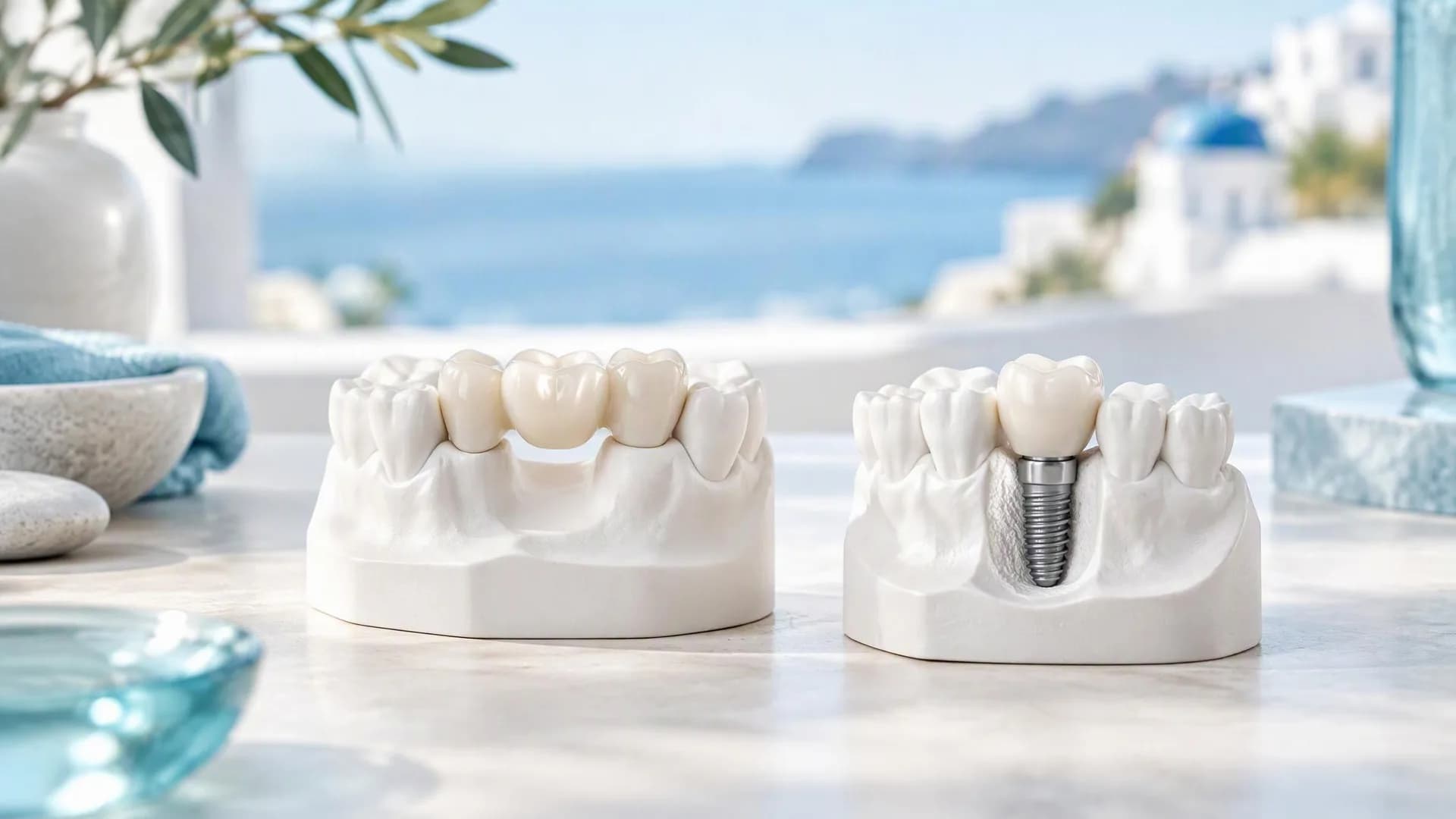
Implant4 min de lectureIllustration
Implant ou bridge : quelle solution pour l’espace édenté ?
Comparez implant et bridge selon dents voisines, os, étapes, hygiène et risques.

9 min de lectureIllustration
Dental Treatment in Turkey from Ireland: Flights, Visa and Trip Planning
A practical guide for Irish patients: flights to Antalya, visa and passport rules, how many trips treatment needs, and arranging aftercare at home.
Comment planifier le traitement en sécurité ?
Une planification sûre commence par un diagnostic, un plan écrit et un suivi clairement organisé.
Une petite greffe peut être simultanée ; un défaut plus grand nécessite souvent une cicatrisation séparée.
← Faites glisser pour voir tout le tableau →
Vérifications avant des soins dentaires à l’étranger